If you’re aSoums user that have been a believer in the Windows operating system for period of decades then you may reminisce on a period of time where your computer genuinely experienced in reminiscence. Long before there was an obsession on “AI everything,” Microsoft Windows 10 had an object of literally impressive productivity that functioned as a time machine of sorts for your digital life. It was dubbed Windows Timeline and looking back to it now, the feature like a blueprint to a better way of doing things – one Microsoft seems very keen on you forgetting. The story of Windows Timeline is one that can fascinate us on how a tech giant can hardly have an innovative, privacy conscious and useful, and gently trash then in the name of something much more controversial.
Unlike a regular list of recent files perhaps that you experience in a ‘Quick Access’ menu, there went a complex backend infrastructure into making the visual stream of cards that the Windows Timeline does. These were just not links but they were tiles representing a particular moment in your workflow. The goal is total state restoration and it is a fancy way of saying that the OS did not remember what just the file name was, it remembered what exactly you were with doing. The OS kept track of specific user interactions (a.k.a. start time, end time and the actual time you spent on a task). This enabled you to scroll back through days or sometimes weeks of work to find a specific time in your workflow without having to remember if you called a name to a file a “ProjectFinalv2” or “ProjectFinalv3.”
The real magic went on behind the scenes though: how the timeline managed to deal with deep links in your favourite applications. You clicked on one of those activity cards and Windows did not just fire up the main executable of the app and turn you loose to find your way. Instead it used stored content URIs and some payload data to obtain exactly the same situation as in the previous session. For those that were Power users with Microsoft Word, this meant going right back into a certain page of a long document. This form of tracking was supported by the design of this system on all sorts of apps (maps, creative apps, etc.). Not only could it record the fact that an app was open, it could certainly record which route you’re looking at or editing which image file. While this infrastructure never saw massive third party adoption, it is a reminder to know that Microsoft had already figured out the way we map our digital journeys years ago, and even then and that too did not require the gigantic AI processing power we see today.
Even though Microsoft has moved on since – cutting Timeline out of Windows 11 and killing the cloud syncing features that used to let you hop from one device on another – the feature still lives on in Windows 10. If you are still running on the old OS you can actually turn it back on by going to Settings, clicking on Privacy, and then clicking on Activity History. Once you are satisfied that the box for a local storage is checked then a simple press of the Windows Key + Tab or click on the icon for the Task View opens your personal chronology. It is a smooth and scroll through the visual infographic history on your local activities all working perfectly without the need for a dedicated NPU or an invasive AI covering your screen every few seconds.
The demise of Windows 10 Timeline was not a flash of light, but actually was a calculated slow burning breakdown that commences well before Windows 11 goes onto the shelves. Using be the first big hit with the port of cross device syncing. This was arguably the outstanding attribute of this instrument, which meant that you simply wanted to choose up a doc on your pc and get on with it through your Android cellphone using the Microsoft Launcher. When Microsoft was tied into a history on a local machine, this was not a unique feature anymore. It went from being a powerful cloud integrated productivity accelerator to simply a local log. It was a good sign that the company was freeing the deck for a change in direction.
Windows 10 Timeline Beats the New Windows Recall
Finally, when Windows 11 was released, the changeover had taken place. Timeline (Timeline interface was stripped out of tasks in Task View totally) In its place Microsoft provided us with a “Recommended” section in the Start menu. However, this new version is a pale imitation of that which went before. It’s a static, basic index of recently opened documents – a minimizationist list of extraordinarily unhelpful use. Gone has been the ability to scroll back with weeks history of visual context. While Microsoft called this move “streamlining” the user experience, they were also in the midst of developing the spiritual successor to Timeline; a feature called Windows Recall.
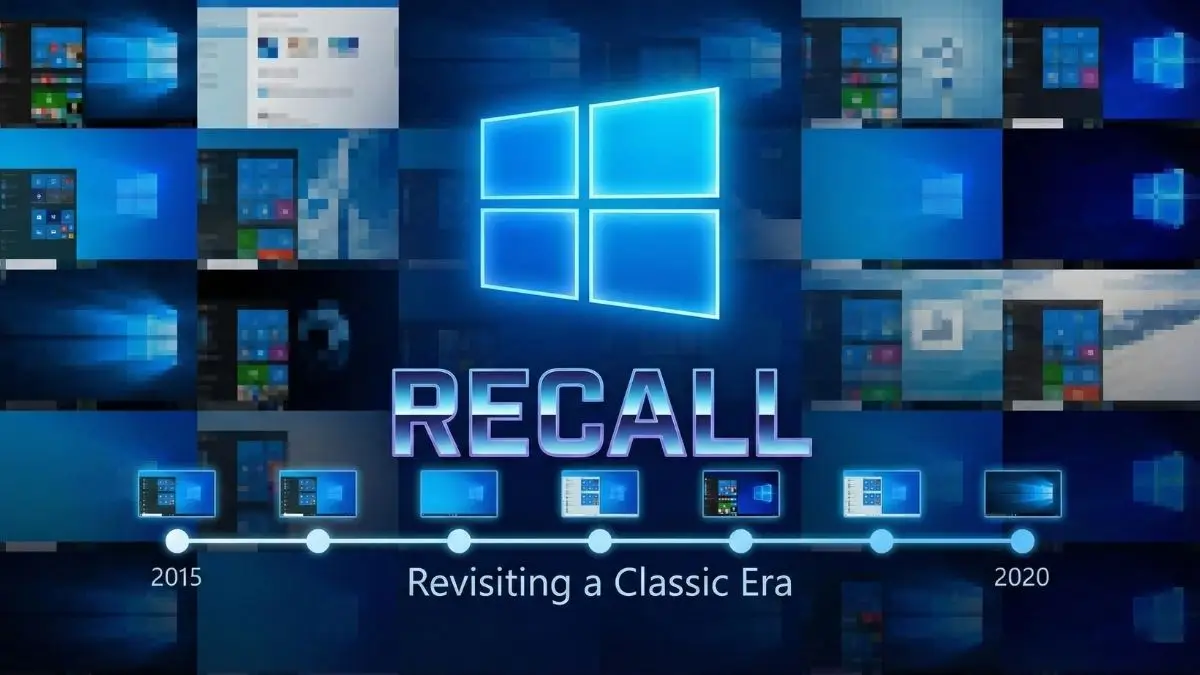
Windows Recall is however a very different beast. When it was made public for Copilot+ PCs it was instantly met with backlash being called a privacy catastrophe and a huge security risk by many. While Timeline relied on metadata and activity logs collected specifically for app usage, Recall is based on the practice of roughly taking a high resolution screenshot of your whole screen every few seconds. It uses optical character recognition and built-in NPU to analyze everything you look at creating a searchable index of your entire digital existence. While much like Timeline in that it’s here to solve the same problem, i.e. to help you find things you’ve seen before, the approach is fundamentally more intrusive.
The first technical details of Recall were especially disturbing. Early previews revealed that this sensitive information was being stored on unencrypted, plain-text databases or actually being encrypted with Aes-128, creating a fact that any malware could exploit in order to create a genuine keylogger. Microsoft has since scramble to add encryption and Windows Hello authentication-but for many, the damage to the trust of the brand was done. The basic difference is that Timeline is like a tool of the user but Recall is like surveillance built into the hardware.
Windows Timeline is a little bit of an inconvenience to Microsoft’s current marketing story. It is a testament to the fact that you don’t need resource-hungry and screen-snapping surveillance to have a useful activity log. It demonstrated that users were able to jump back into their work without their private emails, bank statements, or sensitive work documents having to be visible to the OS. It is difficult to satisfy, one wonders, why one more secure and less invasive feature was demolished in favour of something that requires special new hardware and constant monitoring. Many assume that the drive for Recall is more to sell the new breed of computers with AI capabilities than to make the user experience any better. By keeping in mind Timeline, we know that the “problem” which Recall attempts to fix, was something which was already done, years ago, in a much safer manner.
Disclaimer: The information provided in this article has been collected from publicly available sources on the Internet. Readers are requested to verify this information with available sources.
James Brown is a seasoned technology writer with over a decade of experience chronicling the rapidly evolving digital landscape. A versatile expert covering "any and all things tech," James has deep-seated specializations in both the entertainment and utility sectors of the industry.
He provides authoritative analysis on the full gaming ecosystem, from the latest software releases to the high-performance devices that power them. Additionally, James is an expert on consumer electronics, guiding readers through the complexities of modern smartphones and connected smart home integration.
James Brown is a seasoned technology writer with over a decade of experience chronicling the rapidly evolving digital landscape. A versatile expert covering "any and all things tech," James has deep-seated specializations in both the entertainment and utility sectors of the industry.He provides authoritative analysis on the full gaming ecosystem, from the latest software releases to the high-performance devices that power them. Additionally, James is an expert on consumer electronics, guiding readers through the complexities of modern smartphones and connected smart home integration.

 James BrownMay 23, 20245 Mins read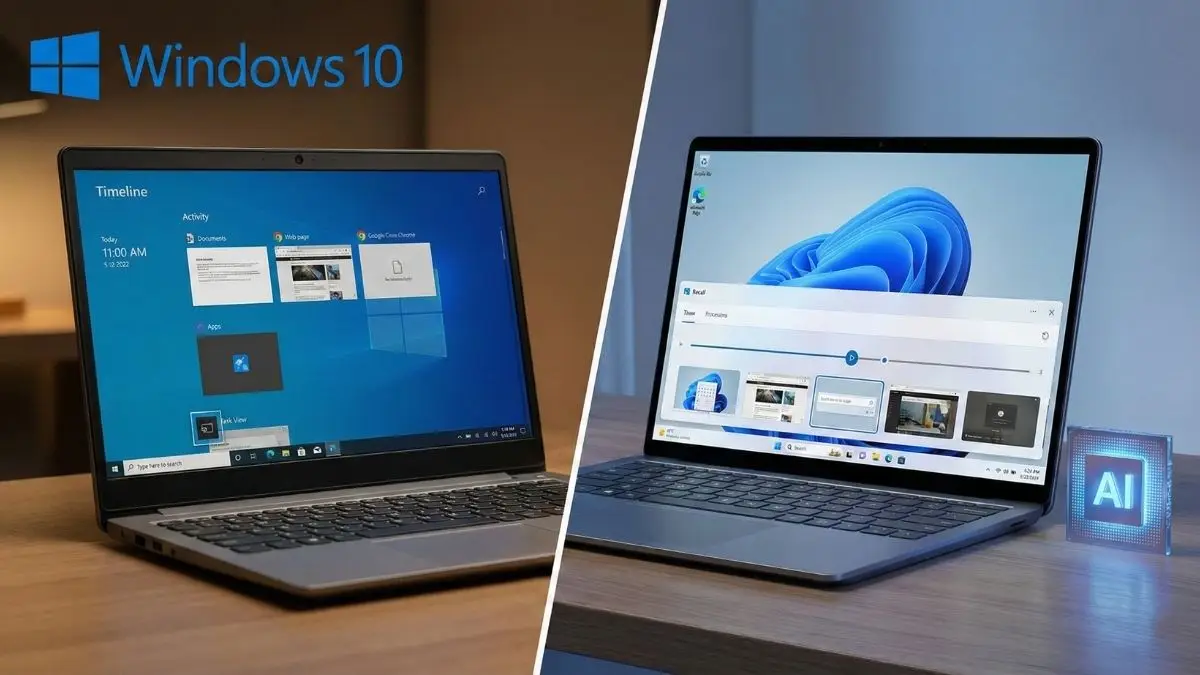






 James BrownFebruary 17, 2026
 DivyanshuFebruary 5, 2026