

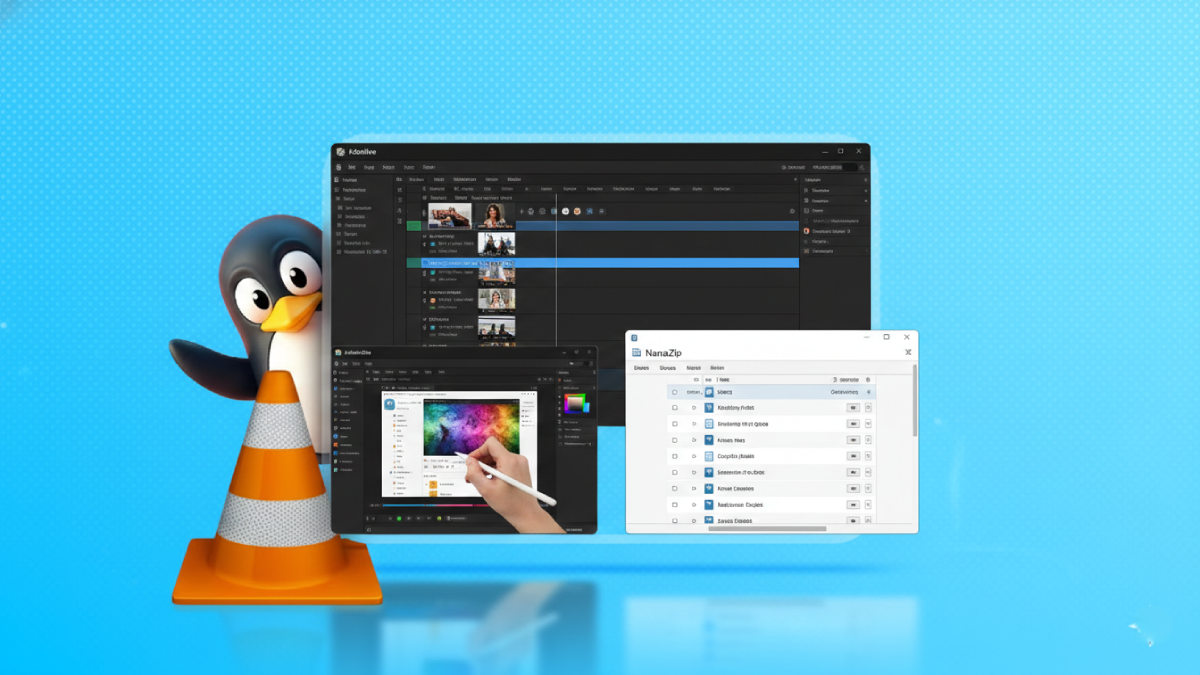
Save money. Try these three no-cost tools for Windows instead of paid plans. One video editor swaps out costly software with smooth results. Photos get sharper using a desktop favorite missing from most lists. A file tool opens compressed folders fast – zero payments needed. Each runs directly on your machine, no login required. No trials, no hidden charges, just full features free forever
Free Windows software shows up in many forms. One editor steps in where others charge too much. Think of a tool that handles clips without cost. This one works fine on older machines. Some compare big names to smaller ones fairly often. A surprise appears when testing features side by side. Another option opens doors for people editing photos at home. It runs quietly in the background while doing heavy tasks. Compression tools differ more than most assume. Old favorites meet modern rivals in system tests. The year brings new picks beyond what companies push. PDF handling gets simpler without spending cash. Beginners find their way through cluttered menus slowly. Learning curves flatten with time and small wins. Portability matters when moving between computers daily. Open choices grow stronger each season. Lightweight helpers stay out of your way. Design work need not require subscriptions. Hidden gems run fast even on slow hardware. Few talk about ease until they try it firsthand.
Free tools on Windows 11 can replace pricey apps. One such option is NanaZip – open source, no cost. Editing videos does not need expensive software anymore. Graphic design work becomes easier with alternative programs. Productivity stays high when using smart tech choices. Adobe alternatives exist that save money without losing features. Useful tips help users get more from their devices. Saving cash on software adds up over time. Open source means transparency plus community support. Windows 11 runs these tools smoothly out of the box.
Now here’s when things start shifting for regular people using computers. Each time someone tries to cut part of an image, tweak a short clip for online posts, or unpack files from a compressed folder, another business appears demanding twenty or thirty dollars monthly. High-level toolkits make sense inside advanced production houses, yet most individuals – alongside plenty of passionate hobbyists – are spending too much on abilities they do not use at all. Truth is, independent coders and collaborative teams have poured effort into crafting programs that go beyond “surprisingly decent considering zero cost,” landing instead as top-tier solutions. When cutting costs matters without slowing down how work gets done, swapping in these three particular apps on Windows changes everything quietly.
Video editing leads the pack when it comes to demanding creative tasks. Anyone who has tried trimming clips on a Windows machine probably met Adobe Premiere Pro along the way. The software runs most professional workflows – yet costs about twenty-three dollars each month, adding up to close to two hundred seventy-six annually. For people not churning out weekly videos or full-length movies, that kind of expense feels overwhelming. Spending so much makes sense only if output matches the investment level. Built by the KDE Community – creators of the sleek Plasma Desktop and vibrant art tool Krita – Kdenlive shows up when things get tough. Power meets pricelessness here, thanks to its robust features without any cost attached.
Kdenlive feels instantly recognizable. Open it once, especially if Premiere rings a bell, and navigation comes naturally. Down below sits the timeline – multiple tracks neatly laid out. Up above? Preview windows plus bins full of clips wait patiently. Chopping footage flows smooth, matching pricier tools beat for beat. Syncing sound fits right into that rhythm without hiccups. Packed behind the basic features, dropdowns spill out advanced filters, color tweaks, and ways to reshape how things look on screen – shaping the software around how you work. Lightweight design meets open-source roots, giving room to breathe for both privacy seekers and machines running lean. Some may bring up DaVinci Resolve as a free contender, yet that one drags hard on system resources. In contrast, Kdenlive glides across older laptops, budget builds, even aging desktops without skipping a beat. Tuck it onto a USB stick if needed; carry an entire editing suite wherever you go, ready at a moment’s notice.
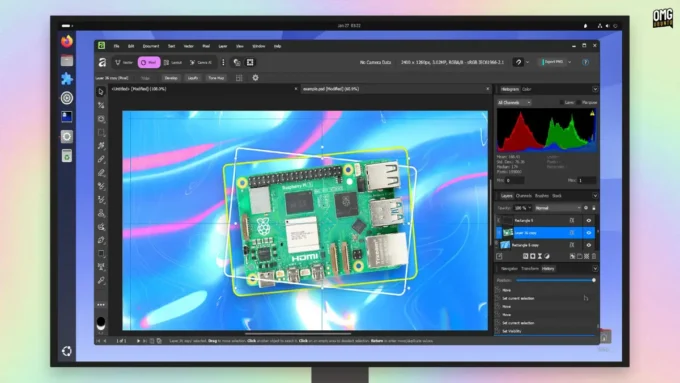
Over on the canvas, talk often turns to Photoshop. Once seen as unbeatable for editing images, it’s also long been tough on budgets for freelancers or casual users. Now comes Affinity. After being bought by Canva, it flipped expectations – handing out its full toolkit at no cost for personal work. That package does what Photoshop, Illustrator, and InDesign each do, rolled into one. Suddenly, making logos, cleaning up pictures, or arranging pages feels far more within reach.
Right off the bat, Affinity gives off a clean, current vibe. Unlike Photoshop, which sometimes seems weighed down by years of added layers and nested dropdowns, Affinity keeps things sharp and focused. A quiet helper lives inside – called the Assistant – that follows along while you work, quietly taking care of repetitive tasks. Forget making a new layer before brushing paint? It spots the move, then slips one in without asking. What really sets it apart are the little details, ones that just fit how you work. Signing up takes a moment – yet think about what comes after: tools built for serious projects, usually priced way beyond reach. The effort fades once you see what’s actually inside.
Last on the list are those everyday tools people rely on without enjoying the bill. Ever since the nineties, one name keeps showing up – WinRAR. You’ve seen it: the so-called trial version that never expires yet always interrupts with a notice calling it an unlicensed copy. That constant nudge gets under your skin after a while. Face it – the design feels frozen in time, stuck somewhere around when Windows XP ruled desks. For something lighter, simpler, and completely free? Try NanaZip instead.
Starting fresh from the famous 7-Zip, NanaZip builds something new. Though 7-Zip works well, its look feels outdated. With sharp edges smoothed out, this version fits right into Windows 11. Clean lines dominate – only a few small icons appear, each placed with care. Space on screen matters; nothing sits unused. The whole thing breathes simplicity. Right where you’d expect it – NanaZip slips neatly into the Windows 11 right-click menu. Skip the extra step of digging through “Show more options” each time you unzip something. Open-source by design, it runs clean without pushy messages begging for upgrades. Find it on either GitHub or the Microsoft Store with no detours. Toss any compressed file type at it, because nearly every format gets opened without fuss. Those old WinRAR interruptions? They fade out when this tool takes over.
Switching out for these three tools means more than cutting costs. It pulls your computer back from the clutter that subscriptions pile on. Each one gives breathing room where there was none.
Disclaimer: The information provided in this article has been collected from publicly available sources on the Internet. Readers are requested to verify this information with available sources.