


Almost twenty years of tucking Android phones into our pockets, yet strange routines stick around like old stickers on a case. Funny thing – while gadgets keep changing, beliefs from the Gingerbread era still crawl through to 2026. That tip from a friend long ago, or the idea that smartphones behave like desktops, often trips us up instead of helping. Today’s systems think ahead, adapting without needing constant poking. Many rituals people repeat? Meaningless now. For better speed, safety, and battery life, letting go of outdated moves makes room for what actually works.
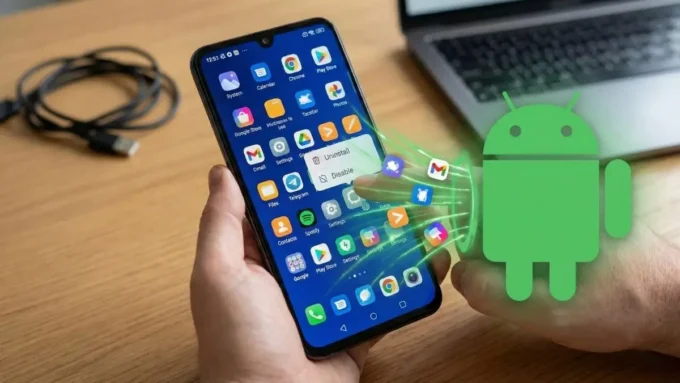
It never ends – the habit of swiping apps away like they’re trash. People act as if each one left running will drain power or choke speed. Truth? That belief crawled over from old computer habits, where too many tabs meant trouble. Phones handle things differently, yet fingers still flick through menus just to clear the screen. No real gain comes from it, though. Even when I did it daily, nothing changed. The whole ritual solves nothing. Most of the time, apps sitting idle in the background aren’t using much energy at all. They’re paused, waiting without taxing the phone. Shutting one down manually kicks it out of memory completely. Opening it again means rebuilding everything from scratch – more strain on the processor. That fresh start uses more battery than allowing it to stay quiet until needed. If nothing seems broken or stuck, better to step back and trust how Android handles things. After all, interruption often causes extra work.
Trouble tends to start when people dive into sideloading without thinking twice. Outside the usual app store, Android lets you pull software from almost any corner of the web. That freedom? It draws in tech-savvy folks who like control over their devices. Sure, Google once considered shutting parts of it down – then stepped back after pushback. But here’s the thing: grabbing an app from some unknown page online might be possible – doesn’t make it wise. Buried deep in your phone’s settings sits that hidden switch – turned off until you dig for it. Not because someone wants to make life hard, but because risk hides where convenience tempts. Play Protect checks outside apps, yes, yet calling it foolproof would be pretending too much. Grabbing a pirated app from some sketchy website? That move feels like handing keys to a person who just whispered through the door. When going beyond official channels becomes necessary, choose spots known for care – not chaos – like APK Mirror, where uploads get checked twice before showing up.
That big thrill when a phone gets upgraded – say, moving into Android 16 – is fun. Yet what really holds everything together tends to be quiet fixes nobody talks about. Not every change shows off bright colors or playful icons; some just block intruders trying to sneak in. Programs carry hidden cracks simply because people built them. Over time those weak spots get noticed – not always by good intentions. Monthly corrections arrive not out of habit but necessity, sealing gaps before harm spreads. Skip one alert and the system stays open longer than safe. Looks can fool you: smooth surfaces do not mean solid walls. Skipping updates leaves holes hackers can crawl through. A device without support? That stays broken, no fix coming. See that alert appear again? Don’t delay it once more – get the patch on now.
Out here in the real world, app permissions matter more than most think. Back then, Android felt lawless – apps grabbed data freely, no questions asked. Now? Every move needs your OK first. Pop-up after pop-up shows up asking things like: “Can this app use your microphone?” or “Is it okay to track where you go?” Truth is, people scroll through these so often they barely notice anymore. Setting up an app now feels like racing through alerts just to make it work. That rush to say yes means risks slip by unseen. Wait a moment. Think about whether that demand actually fits the purpose. A simple calculator – why would it require access to your contacts or exact whereabouts on a map? Likely no reason at all. Some tools run just fine when you say no to extras they don’t truly need. Spend half a minute checking terms before accepting, and avoid years of unwanted exposure later.
Out of nowhere, a dead phone sparks stress near a café table. Spotting that single USB socket feels like luck – until you wonder what hides behind it. These ports? They’re built to move power along with information. Hackers know this. Some twist the setup to steal snaps, texts, maybe worse – all during a quick charge. Devices called “USB condoms” claim to block data flow. Yet they’re still an extra piece to lose or forget. Better idea: tuck a regular charger into your bag before leaving home. Plug into a real wall jack instead. Not every fix needs tech wizardry; sometimes slow old habits beat risk. A little prep skips digital ambushes hiding in plain sight.
Disclaimer: The information provided in this article has been collected from publicly available sources on the Internet. Readers are requested to verify this information with available sources.