No products in the cart.
Current date
February 24, 2026

Forget Spotify: Why I’m Still Buying Physical CDs in 2026
 DivyanshuFebruary 5, 20263 Mins read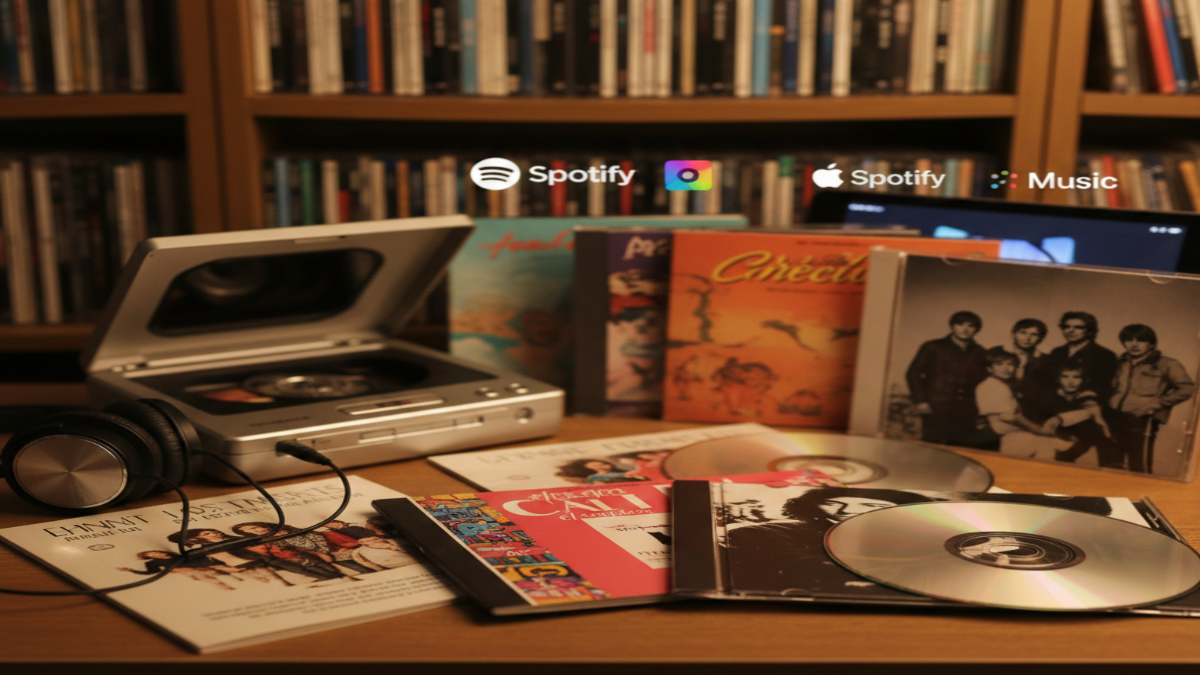
Share
URL copied
Right now, nearly every tune ever made sits just a fingertip away. Thanks to platforms such as Spotify, Apple Music, or Tidal, hitting play has never been easier. Instant entry into vast libraries appears – playlists shaped by others, fresh albums arriving on cue. Yet even with all that sound packed into one small device, I often reach for something different. Lately, I have returned to older ways: picking up actual compact discs. The truth? As virtual spaces grow faster and slicker, holding real copies feels less odd – and maybe even wiser.
Leaving behind plastic discs hasn’t come suddenly. Years back, things began changing once iTunes pushed downloaded files into everyday use – streaming later took over for nearly everyone. Even though today’s services offer clean sound and smooth device links, I still hold on to my collection. It boils down to something fading slowly online: real possession. Handing over cash each month for a streamer doesn’t mean you own the songs. It’s like borrowing an enormous collection. Stay current with payments, you get access. Stop the fee, everything disappears instantly.
Just because a song lives on your device does not mean it belongs to you. Wrapped in silent codes, the file checks whether you still pay each month. Often, the platform hosting the track might lose access too. Artists vanish from playlists – some argue over money, others just decide to leave. That time Taylor Swift pulled every one of her songs off Spotify stuck with people. One day you could play them, the next they vanished if that was your only way to listen. Owning a physical CD means those tracks stay exactly where they belong – on my shelf, under my control. A contract change somewhere doesn’t erase what’s already in my hands. Words printed on paper inside the case remain unchanged, even if someone later wants them different. Streaming might vanish between clicks, but spinning the disc myself skips that fear entirely.
What sticks isn’t just holding something real. Swap a playlist tap for sliding a disc from its sleeve – suddenly there’s weight, texture, ritual. A screen shows song titles; a plastic case holds a folded world inside. Peeling back the cellophane brings crisp paper, images shot on film, words printed exactly where they land. Those pages? They carry names behind scenes, fonts chosen with care, moods built before filters existed. Even now, cracking open a new one feels like stepping into a room no algorithm designed. A picture shows what the sound is about, filling out the experience. Occasionally, holding the actual release means seeing art not found online – distinct, set apart.
Here’s another piece to consider. Albums listed on Spotify sometimes miss material fans might expect. Stores such as Target frequently negotiate special releases – these hold bonus songs, rough recordings, or stripped-down takes absent from digital services. While certain musicians drop those extras online after a while, plenty leave them offline forever. Take some older songs by Lady Gaga or big-name pop acts – they’ve been on CDs forever yet still missing from Apple Music and Spotify. To hear what the artist truly meant, sometimes a CD is simply what you need.
Music feels different when I own it outright. With streaming, tracks blend together like background noise. One tune ends, another begins – no pause, no thought. Owning a copy makes me stay longer with each piece. Skipping isn’t effortless anymore; that shift matters. A song gets space to surprise me later, even if it does nothing at first. Less movement between songs means more room inside them. Buying a CD feels different somehow. That purchase means I chose one album when there were endless others. Because of that choice, I give it full attention – start to finish. The order of the songs matters now, even ones I’d normally ignore online. Little sounds stand out. Quiet moments linger. Listening becomes something I do, not just something playing nearby. A drive home turns into time set aside. Focused. Present.
Peace settles in when discs stay put on a shelf. Buying through online spots such as iTunes gives access, yet only under terms set by them. Should the platform vanish or trouble strike the account, ownership fades fast. Not so with a compact disc nearby – no password needed, no web required, no recurring cost attached. Power it up now, play it then, even decades later if a machine runs.
Sure, streaming isn’t evil. Even now, I turn to it when I need fresh voices or just want background noise during workouts. Yet, for those records that shaped me – soundtracks to particular seasons of growing up – I crave more than data. Something physical fits better in hand. Pages with scribbles inside, bonus bits after silence, knowing no boardroom vote can vanish what matters most. While so much slips through fingers like mist, holding an artifact carved from real moments feels different. It stays.
Disclaimer: The information provided in this article has been collected from publicly available sources on the Internet. Readers are requested to verify this information with available sources.
Author

Linux James BrownFebruary 17, 2026
Your Linux Desktop Just Got a Massive Power-Up: Everything New in KDE Plasma 6.6
If you have spent any time in the Linux world, you know that KDE Plasma is often hailed as the gold standard...
 James BrownFebruary 17, 2026
LinuxJames BrownFebruary 11, 2026
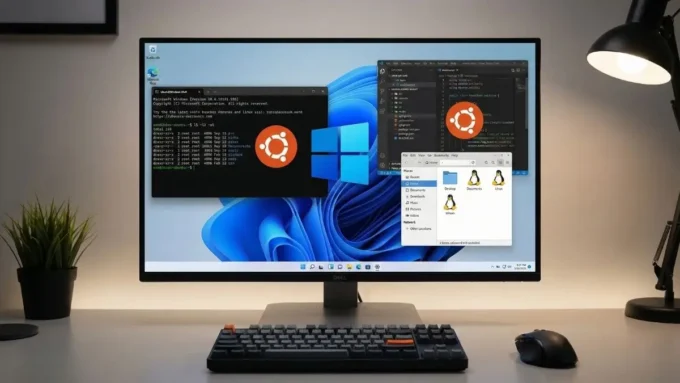
I Ditched Dual-Booting: Why WSL is Finally Good Enough to Kill Native Linux
For the longest time, the ritual was always the same: hit the power button, mash the F12 key, and wait for the...
James BrownFebruary 11, 2026
LinuxDivyanshuFebruary 5, 2026
Stop Checking Your Phone: How to Add a Live Clock Directly to Your Linux Terminal
Hours vanish when code takes over. A flickering cursor holds attention while daylight fades outside. Is it evening? Past midnight? Hard to...
DivyanshuFebruary 5, 2026
Related ArticlesDivyanshuFebruary 5, 2026
DivyanshuFebruary 5, 2026
DivyanshuFebruary 5, 2026
DivyanshuFebruary 5, 2026
Stop Wasting Your Money: Why You Seriously Don’t Need a Flagship TV Anymore
There was a time, not all that long ago, when buying a...
DivyanshuFebruary 5, 2026
Stop Paying for Subscriptions: This One Open-Source Tool Just Killed Four of My Monthly Bills
That moment hits everyone. You’re checking your credit card bill, confused by...
DivyanshuFebruary 5, 2026
I Split My Home Network Into VLANs And It Fixed Problems I Didn’t Even Know I Had
Years went by before I ever gave Virtual Local Area Networks –...
DivyanshuFebruary 5, 2026
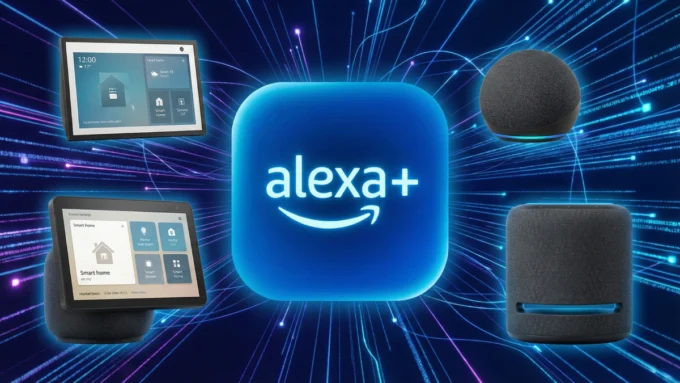
Your Echo Just Got a Massive Brain: Here’s Why You Need to Try the All-New Alexa AI Right Now!
More than ten years passed with Alexa by Amazon acting steady, even...
DivyanshuFebruary 5, 2026