


One day, out of nowhere, I touched Linux for the first time – no more watching from afar. It had always seemed like some kind of forbidden zone, full of silent experts typing in windowless rooms. My view came from old stories, half-remembered threads dustier than textbooks. Weekends, I feared, would vanish into terminal windows glowing faintly in dim light. Yet somehow, without warning, I stepped inside. Putting Linux on my main machine changed things. Not because it felt new, but because everything I thought before collapsed. My understanding of Linux? Way off track. If hesitation kept you away for similar reasons, consider this: the real experience laughs at old assumptions. What people say rarely matches what happens.
What really held me back at first was thinking every task needed the terminal. Only after trying setups such as GNOME did I see how built-for-everyday-use they truly are. Changing your background meant clicking through menus instead of typing odd sequences. Opening a web browser? Same as on any other system – just find the icon. That idea of doing everything in black-and-white prompts turned out to be outdated fear. Most users won’t need those tools unless curiosity pulls them there later. Designers behind Plasma and Cinnamon clearly focused on smooth everyday access. Touching the command prompt became optional rather than required. Linux Mint was my starting point. Honestly, it ran better than many Windows upgrades I’ve seen. Today’s user-friendly distros usually include app stores resembling those on smartphones. Pick what you need, hit Install, finished. The command line offers control for tinkerers yet stays out of the way when all you do is watch films, surf online, or type letters.
Fear lingered around Linux being delicate, like one wrong move could shatter everything. My worry? Wrecking the whole setup without meaning to – something many coming from Windows might recognize. Yet the truth sits elsewhere entirely. Built differently, its structure holds firm where older systems feel shaky. Permissions act as guards, keeping everyday files apart from core operations. Removing essential parts by accident becomes nearly impossible. Doing such damage demands effort, a deliberate step, confirmed by entering credentials on purpose. Suddenly, Windows gains attention by disabling things it once promised would work – thanks to forced upgrades that slip in whether you like it or not. When your machine survives the chaos of a Windows 11 refresh, stepping into a refined Linux setup feels almost tame.
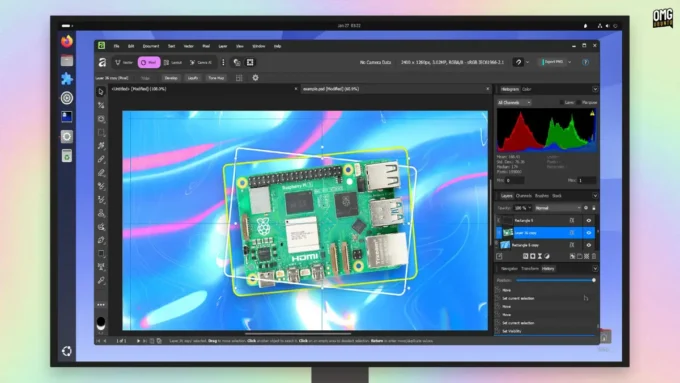
One thing that really gave me pause at first was software. Since I could not open regular .exe files right away, I worried everything would just stop working. Most people feel this way – like they might lose access to what they depend on every day. Sure, big programs such as Microsoft Office or Adobe Creative Cloud do not list Linux as an option. Yet somehow, that hurdle turned out smaller than I had imagined. Out there among digital options, plenty of solid choices move quicker, weigh less. When it comes to typing things out, both Google Docs and LibreOffice handled every task without issue. Editing pictures? Web tools plus programs such as GIMP or Inkscape showed me the so-called missing software never really vanished – it just lived in imagination. These days, most tasks happen inside a browser regardless, yet Linux runs Chrome, Firefox, even Brave with no hiccups at all.
What stood out most? How games work now. Ten years back, playing games on Linux felt laughable. Moving systems made me fear losing every game bought through Steam. Yet here’s where things shifted – Valve stepped in. Their move reshaped everything entirely. Tools such as Proton and Wine have opened doors – games once stuck on Windows now launch smoothly on Linux at the tap of a button. Take the Steam Deck: it runs Linux, quietly proving the system can handle play sessions with ease. That handheld alone made believers out of skeptics, showing performance that surprises most. A handful of online competitive games resist due to strict anti-cheat rules, yet nearly every title I own fired up immediately. When Linux gaming numbers pulled ahead of macOS lately, it wasn’t luck – it marked an ending. The old claim about missing games? It simply doesn’t hold anymore.
Oddly enough, my first take on Linux felt backward – like it belonged only in two extremes. One moment, I pictured it running massive futuristic machines; the next, barely keeping old bricks alive. It seemed built either for data centers or forgotten hand-me-downs gathering dust. Turns out, reality bends wider than that. While true it drives nearly every top-tier supercomputer and hosts most websites globally, it handles small jobs just as well. A basic machine gains real speed under its lightweight touch. Surprisingly, even powerful systems showed quicker response times doing things like editing long videos or managing many apps at once. That kind of balance didn’t match what I expected. Surprisingly capable, Linux runs on aging fifteen-year-old machines just as well as it does on cutting-edge workstations. Instead of demanding constant upgrades to match an ever-heavier operating system, it works quietly with what’s already there. When those old assumptions finally faded, control returned – suddenly, clearly – to the person using the machine.
Disclaimer: The information provided in this article has been collected from publicly available sources on the Internet. Readers are requested to verify this information with available sources.