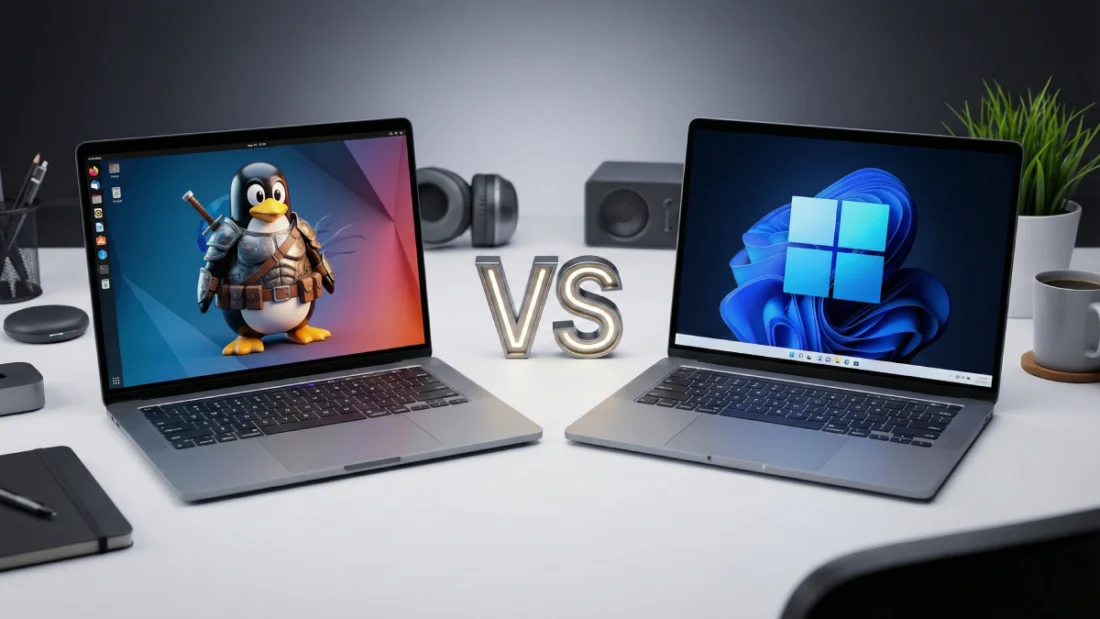
Funny how that old line about Linux finally taking over the desktop keeps circling back. Nearly as ancient as the code at its core, it once sparked chuckles among those tired of rebooting after Windows errors. Now though, by 2026, laughter fades near Microsoft’s campus. While Linux quietly runs nearly every data center, powers most online services, and hums inside billions of mobile devices thanks to Android, one battleground still resists – personal computers used day to day. That last holdout feels different now. Not impossible. Just stubborn. Even though Windows 11 keeps pushing AI down throats, forcing updates, and locking out older machines – making solid computers useless – the chance for something different has never been clearer. Still, for Linux to claim serious ground, it won’t do to merely satisfy tinkerers; decades-old flaws must finally face fixes. Because without tackling these stubborn barriers, widespread shift remains unlikely, no matter how bad Windows gets.
Gaming stands in the way at the start. Thanks to Valve’s Steam Deck and its Proton system, many Windows games now run on Linux instantly – no extra work needed. Yet depending on something that translates code feels shaky, like using borrowed materials to lay a base. Stability comes from ownership. When studios put out big-budget releases on Linux the same day they hit other systems, only then will real change come through. True shift means being part of the plan from the beginning. Imagine if Rockstar or Bethesda actually stepped up – handling ports themselves rather than leaving everything to fans tinkering with Wine. The Steam Deck already showed people are ready, willing, waiting. What’s missing? One standout game that just feels sharper, smoother, faster on Linux. That kind of edge could pull even the most loyal Windows players away for good.
Weekends often find players diving into games from the MS-DOS age or when DirectX first arrived. These classics hold deep personal ties, yet they rarely get updated anymore. Running them on today’s Linux systems usually means wrestling with config files and command lines. For those attached to long-held collections, smooth access matters as much as new releases do. Without hassle-free support, switching feels like losing part of one’s history. What counts isn’t only what comes next – it’s keeping old worlds alive too.
Putting things in order matters next. The Linux crowd thrives on difference, yet that very thing slows wide acceptance. A Windows computer shows you the same layout every time. Open up a Linux system, though, and faces change fast – GNOME greets some, KDE others, Xfce another bunch, plus countless more scenes behind them. Options excite advanced folks, sure. For someone only needing mail, confusion rises quick instead. A single look could help Linux grow beyond its current space. Whichever path wins – GNOME’s sleek, Apple-inspired flow or KDE Plasma’s traditional desktop style – it’s the consistency that matters most. When everyone agrees on basics, outside developers find it simpler to build tools that just work. Agreement across distros means fewer headaches making apps behave. Uniformity isn’t flashy, yet it quietly pulls ecosystems together.
That idea leads somewhere else too – there needs to be one common setup regular people can rely on. New users asking what Linux to try should not face fifty options, each doing things differently. Big names like Canonical, Red Hat, or SuSE stepping up could bring stability across devices. Support tasks would get easier. Writing programs would take less effort. Picture a label reading “Works with Linux Desktop Standard,” instead of checking half a dozen file types. Some longtime fans may frown at losing total control. Still, growth means change. Moving beyond hobbyist circles demands choices that serve more than just ideals.
When talking about workplaces, one thing stands out – the “Excel issue.” Getting Linux taken seriously means doing better than barely getting by when it comes to tools people actually use every day. True, LibreOffice exists now. Governments across Europe already rely on OpenDocument formats. Still, most companies run on Microsoft Office without question. Nowhere is that truer than with Excel. People treat spreadsheets like databases. Some even build logic into them the way coders do. Switching won’t happen unless what works there also works here – exactly. Picture opening a messy file full of macros on Linux. If it stumbles even once compared to Windows, nothing changes. As long as gaps remain, offices stick with what they know.
Hardware shapes what software can do. Windows rules mostly since nearly every machine from large retailers already has it loaded. To gain ground by 2026, Linux must appear right alongside Windows when people shop. Right now, hunting down a laptop with Linux means browsing hidden corners labeled “for developers” or turning to small brands such as System76. A shopper walking into any outlet should find top-tier laptops running Linux priced one hundred dollars below their Windows counterparts – skipping license costs makes that possible – and suddenly, everything shifts.
Ending on a familiar note – hardware headaches stick around like stubborn stains. Swap your operating system, only to discover the internet connection vanishes or the printer stops responding; frustration follows fast. Sure, Linux driver progress has been real, steady even. Yet mystery gadgets still lurk: closed-off gear built without openness in mind, forcing clever workarounds through trial and disassembly.
Disclaimer: The information provided in this article has been collected from publicly available sources on the Internet. Readers are requested to verify this information with available sources.