

Years went by before I ever gave Virtual Local Area Networks – VLANs – a second thought. Not exactly something I expected to matter outside of cluttered server closets run by tech staff wearing badges. Seemed like gear only big companies needed, way beyond what my living room full of devices could require. My phones, laptops, and smart bulbs ran without issue on one open network. No glitches, no interruptions during movies, so why even consider change? It simply never crossed my mind that structure might help until things grew quietly messy behind the scenes. Yet when more gadgets filled my home and the lab kept adding gear, weak spots showed up. Turns out, one network handling all devices feels similar to sharing a room with zero dividers; things overlap, privacy fades, mess follows.
Also read:AYANEO Pocket DS Secretly Taking Screenshots and Using Massive Data? The Truth Revealed
Not quite rocket science, my gear keeps things humming. A main router runs things, alongside a small computer playing server. There’s also several tiny computers called Raspberry Pis. Add one full-sized work machine, plus extra portable ones. Phones buzz around constantly. Throw in a gaming box here, screen boxes there. Even lightbulbs and wall sockets act clever now. All together, it makes for plenty of electronic chatter. Small glitches? I paid them little mind at first. Only after splitting my network into separate VLANs did I see what had been slowing things down. Before that, adjusting QoS settings always left a nagging sense something was off.
Also read:Why Your Windows Task Manager Is Secretly Tricking You Every Day
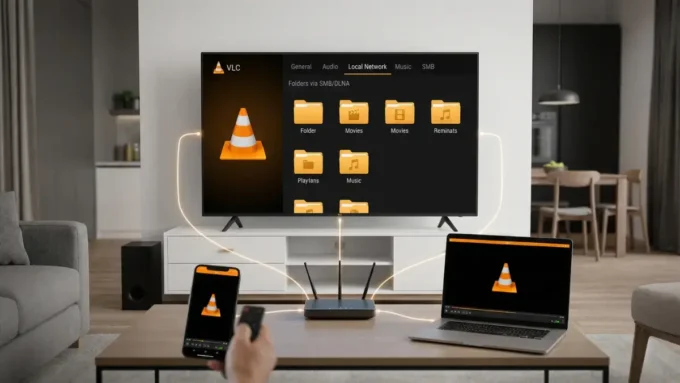
Out of nowhere, the broadcast storm issue caught my eye. When devices connect at home, each one calls out to find others nearby. A HomePod searching for audio gear, or a television announcing itself – traffic like mDNS never really stops. It hit me later just how heavy that load had been on the router’s processor. Looking at the traffic changed everything. These gadgets talked way more than I expected. Splitting things up meant they stopped shouting across the space. Each group got its own quiet corner. The router breathed easier after that. Less work meant it ran cooler. Pages loaded faster, just from cutting out the chatter. Even basic tasks moved smoothly when the machine focused less on idle check-ins.
Also read:Windows 11 Is Finally Fixing the Absolute Worst Thing About Your Printer
One day, things got real about safety online. Everyone talks about how low-cost internet gadgets can’t keep data safe, yet actually spotting it yourself hits differently. A few of my inexpensive smart outlets were quietly reaching out to computers far away across borders. Worse still, since those plugs shared the network with my main computer, they could possibly reach folders holding private files. That moment revealed what happens when everything connects too closely. Putting every smart device onto its own network slice meant they got free rein to communicate among themselves – yet suddenly found themselves locked out of snooping on personal files. My lightbulbs now exchange updates with Home Assistant freely, even though those same gadgets haven’t got a clue that last year’s tax paperwork lives right next door inside a storage box online.
Also read:Your Android Phone Is Secretly Stealing Your Storage—How To Reclaim Every Gigabyte Now
The real improvement came from handling traffic better. Even with QoS turned on before, things like large downloads or game updates often disrupted smooth playback from my local media server. Picture settling in for a film only to have it freeze mid-scene – annoying, right? Now running OPNsense on a small desktop machine lets me control data flow through separate network zones. Heavy tasks such as torrenting now move through dedicated paths. Streaming gets faster lanes. Devices I rely on stay ahead without waiting. Control shifted back where it belongs. Even went ahead and capped speeds so those heavy users wouldn’t drain everything else. What changed? Like switching from fog to clear sky – suddenly gaming while streaming worked perfectly, zero stutters.
Getting things working took some trial and error, yet nowhere near the headache I expected. Instead of juggling multiple networks, the ASUS RT-AX88U with Merlin software links separate Wi-Fi names to unique VLAN labels. One wire carries those tagged signals over to the small HP desktop where OPNsense lives. Each labeled stream gets its own boundaries through customized filtering rules. Trusted devices sit on VLAN 10, while quirky smart home bits live on VLAN 20. Lab experiments spin off into VLAN 30, isolated just enough. Guests connect only to VLAN 40 – separate, limited, out of the way. Neat setup. Tidy layout. Above all else – locked down tight. When someone walks in with a phone full of malware, that trouble gets stuck on the guest Wi-Fi. My servers? My files? Out of reach.
Also read:Stop Wasting Time: This Secret Open-Source App Is the Ultimate Procrastination Killer
Worth every minute, really. Turns out what seemed like just tinkering with gadgets became the backbone of how I handle tech at home. Suddenly everything runs quicker, files stay where they should, even that one weird lamp can’t mess things up anymore. Skip the idea that splitting networks is only for big companies – someone like me found it clears mental clutter too. No need for stacks of pricey boxes; start small, think differently, let each device mind its own business.
Disclaimer: The information provided in this article has been collected from publicly available sources on the Internet. Readers are requested to verify this information with available sources.