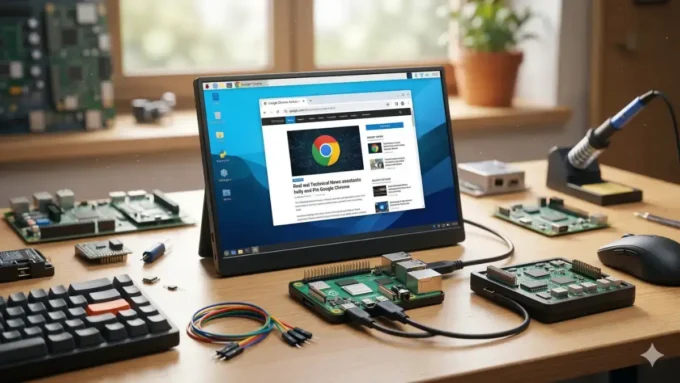


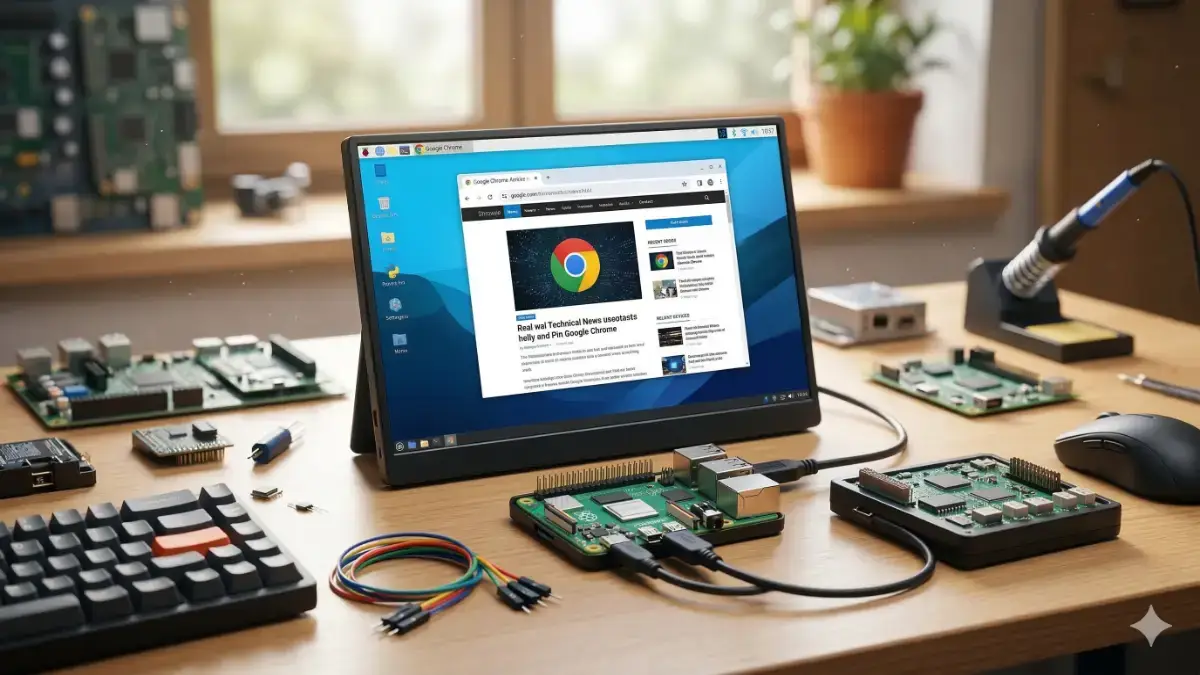
For ages, Google Chrome has been the go-to browser for Linux community as a stable and featured browser for users with traditional desktops. However, in its lineup, there has an obvious omission that is frustrating to hardware geeks for more than a decade. While those that were using standard Intel or AMD based machines had it made easier, anyone rockin’ a Raspberry Pi or other ARM based hardware was laggy without an official build out. That age-old obstacle is finally getting out of the way as Google is about to take its lauded browser to the ARM64 Linux world.
Also read:AYANEO Pocket DS Secretly Taking Screenshots and Using Massive Data? The Truth Revealed
According to a latest announcement from Google officially builds of Chrome for ARM64 Linux are expected to arrive during the second quarter of the year 2026. This means that sometime between April and June, users will finally be in a position to download a native version of the browser. This move is on the heels of a gradual roll out across other platforms over the last few years. Apple users congratulated to the arrival of ARM-native Chrome together with the initial M1 Macs in 2020, whereas the Windows on ARM hardware users received their separate version in 2024. Now, the Linux community is up next to be given this long overdue optimization.
Also read:This Legend of Japanese Horror is Finally Returning to Haunt Your Nightmares
Up until this point, the people using Linux on ARM hardware have typically resorted to ARM port of Chromium, the open source base of Chrome. While Chromium does work it’s not quite the same as the full Google Chrome experience. Users frequently encounter major hurdles, such as failing to easily sync their Google accounts, failing to support DRM protected content, which would make watching Netflix or Spotify a chore, and various other minor stability issues. With the release of these official builds, the browser can be expected to work just as smoothly on ARM64 and Linux as it does on Windows, macOS and the standard x86 Linux setup.
Also read:Why Your Windows Task Manager Is Secretly Tricking You Every Day
Google called attention to the fact that the release of Chrome for ARM64 Linux helps to reach a much wider audience who can experience the close integration with Google’s suite of services directly in their browser. The company said as a direct response to this growing demand for a browsing experience that combines the versatility of the open-source Chromium project with the convenience of the Google ecosystem, a direct response to this growing demand. For many, this entails having their passwords, their history and their bookmarks all perfectly synced on all their devices no matter the processor architecture.
Also read:Windows 11 Is Finally Fixing the Absolute Worst Thing About Your Printer
It is honestly a little bit surprising this took this long to reach this milestone. The tech world has been observing ARM powered Chromebooks as far back as 2012 and adding the fact that ChromeOS is basically a huge derivative of desktop Linux, the roots have been there for some time. Furthermore, since Chromium has been running on ARM Linux for an extended time, the main task for Google was to simply package its proprietary features and optimizations into a compatible installer. After more than a decade of delay, that task is at last being checked off the development to-do list.
Also read:This Professional Design Secret That Costs Zero Dollars and Rivals Industry Giants
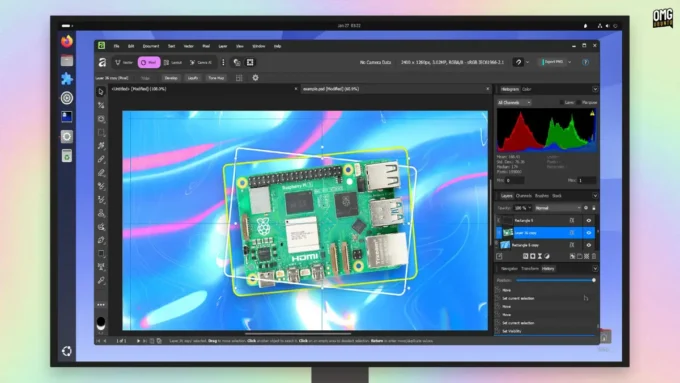
The implications for this update are massive for the fans of niche and specialized hardware. This official backing means, finally, Raspberry Pi boards, Pinebook laptops and even Mac users running Asahi Linux will have access to a full-blown and native Chrome experience. It takes the breath of life and returns to ARM-based laptops and single board computers that make them much more viable as primary machines for web browsing and for productivity. While Mozilla Firefox has been providing a great experience on ARM Linux for a long time, having the most popular browser in the world officially join the party is a massive win for consumer choice.
When the update finally comes out, it should be rather simple to get your hands on it. You will be able to download the installer directly off of the official Google Chrome download page just like any other operating system. Additionally, it is also extremely probable that the browser will discover its method into repositories of third-party software, that will make its installation even easier for different linux distributions. This move is a good signal for Linux desktop’s more open-ended future, where no matter what kind of processor is under the hood, you will not have to compromise your browsing habits.
Disclaimer: The information provided in this article has been collected from publicly available sources on the Internet. Readers are requested to verify this information with available sources.