

Everyone has the experience. You look at the credit card statement, puzzled, wondering how all these small fees stack up (oh, it’s 15 different charges every month). Few bucks for some cloud storage, the productivity suite, the to-do app and all the damn photos. The cup is over half full before you know it. A few years back it wasn’t that much. Pay a couple of dollars a month. Corporate giants handle the details behind fancy web apps. Now hovering prices and increasingly hostile data policies. Tech geeks are also looking to escape. My solution is one tough open source app. It did not replace one app. This one move abolished and deleted four pricesy subscriptions I took for granted.
Real also :Beyond Big Tech: Why the Move to Proton Drive is a Privacy Necessity
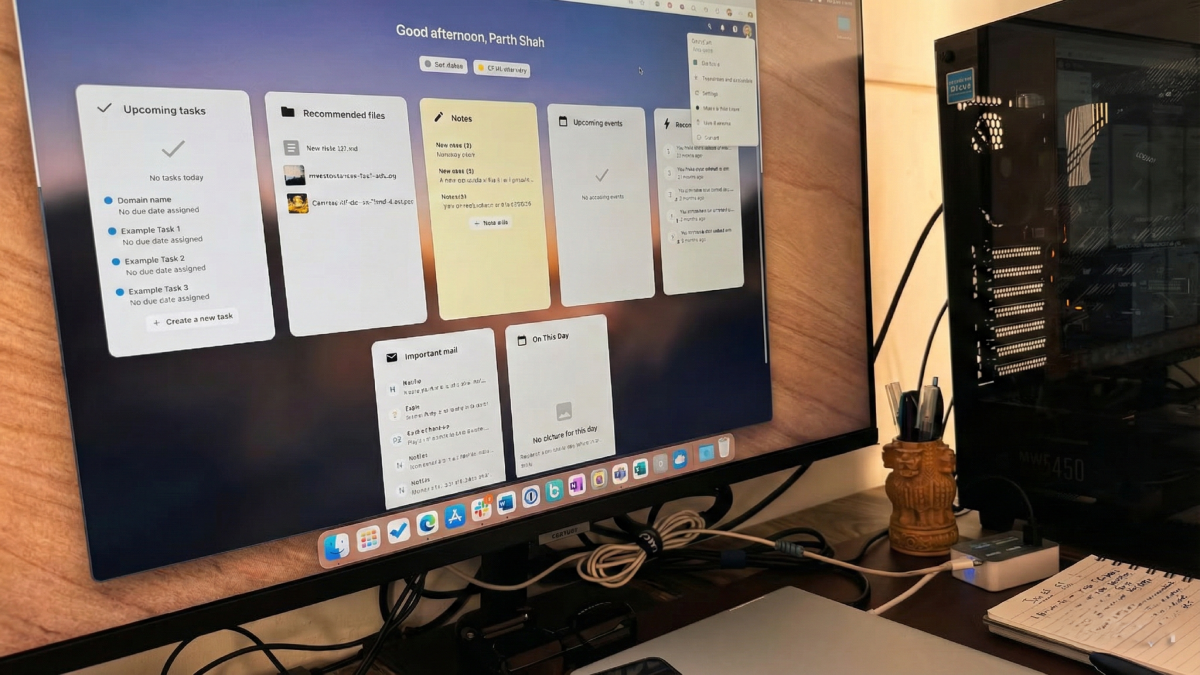
This here tool? It’s a thing called Nextcloud. Some people mistakenly claim it’s just a DIY alternative to Google Drive, but it’s so much more. If you tell people it’s just for file storage, it is like saying a Swiss Army penknife is just a toothpick. To me, it started out as a convenient place to leave documents but now it’s the whole web-based office. Sure, I saved four monthly bills – that’s a few dollars in my bank account now that those bills are gone. More than this though, it was about taking control. My thing is my thing. In most cases, this means putting my work on someone else’s computers. So when this happens, ownership changes – I control the information, my computer holds it.
Read also: Optimizing Digital Redundancy: Why FreeFileSync Remains a Power User Essential
People generally find it difficult to move away from some of the big tech platforms because they lack some core products like Google Workspace or Microsoft 365. It’s simply too fun editing a spreadsheet as a web page, isn’t it? I once thought there was no way out of Microsoft’s grip – but Nextcloud exists. It pairs nicely with a product called Nextcloud Office, based on the robust Collabora system. Now, reading reports, monitoring expense files or anything else with complex calculations is right in my browser, edits are instant and changes fall right onto my home server. No more transferring files, thanks to encryption, they stay in place. Sync headaches? Gone. It’s as fast as you’d get for much money or more, but it’s natural, like it’s supposed to be there.
Not only files: something else took its place. Posting to my blog, keeping notes – I needed Trello. That’s okay, but all logins are distracters, all apps gob up more of my data. But within Nextcloud, something else resides: an app called Deck. Call it Kanban boards where tasks glide left to right, yet all my own. The fact that all of this is in one place means that a file attachment is just dragged onto a task card – no re-uploading. Normally, this seamless connection of items is reserved for high-end business tools, but here, this tool is free, and installed on my computers.
Photos can be a big task for a lot of people. With Google charging for storage, the product’s utility fell rapidly. There’s now a worthy alternative – Nextcloud Photos does the job. Sure, it doesn’t have those uncanny face recognition features. But all the must-haves are in place. Albums sort themselves by date. They get geolocated. And I get that old-school reminder every day too. And yet I’m not really worried that some corporation wants a gander at my kids’ faces so I’ll click more ads. Those photos are stored in my house, on media under my control – no-one is looking.
It’s true, saying this change is like a set-it and forget-it wouldn’t be accurate. You have to learn your new home computer, no one can get past that. Instant access via email sign-up is gone, now it’s time. Becoming the IT guy sort of becomes a thing. Hardware becomes a thing again, could be an old PC, maybe a small server, maybe just a board, sitting behind the monitor. Security is forgotten until someone pokes holes. Openness to the internet means patches can never come too soon, attacks must be prevented. Not that everyone thinks so. Your attitude to technology shifts as you gain ownership – you get control.
But losing control of your data is more painful than losing all your data. I know mine will: all do, so backups are essential. But I have it easier than if I know my files have been sold from out under my nose. Leaving meant I went from four different systems and profiles and accounts, down to one. Peace is found in stillness, not messages. I feel more able to concentrate. Tabs used to distract me, but they don’t so much any more. Quotas used to lurk like April showers, now they just remain. Bling that costs up to 20% more than before? Now that too has eased.
Perhaps, one day, you will feel like you are renting your memories more than sharing a piece of your data. Rather than racing to use the latest web app du jour, focus turns to something less glamorous – online real estate. Thanks to the collective effort across different parts of the internet, programs we once found on message boards now automatically open in the web browser. No PhD needed. The install is easy, it just works, does what you need it to. A product called Nextcloud taught me something: there are alternatives to corporate automation for managing files and sharing ideas. It took one tool and some tinker-hacking to learn what I needed. With most things being monthly subscriptions, it may be wise to hold onto your gear.
Disclaimer: The information provided in this article has been collected from publicly available sources on the Internet. Readers are requested to verify this information with available sources.