

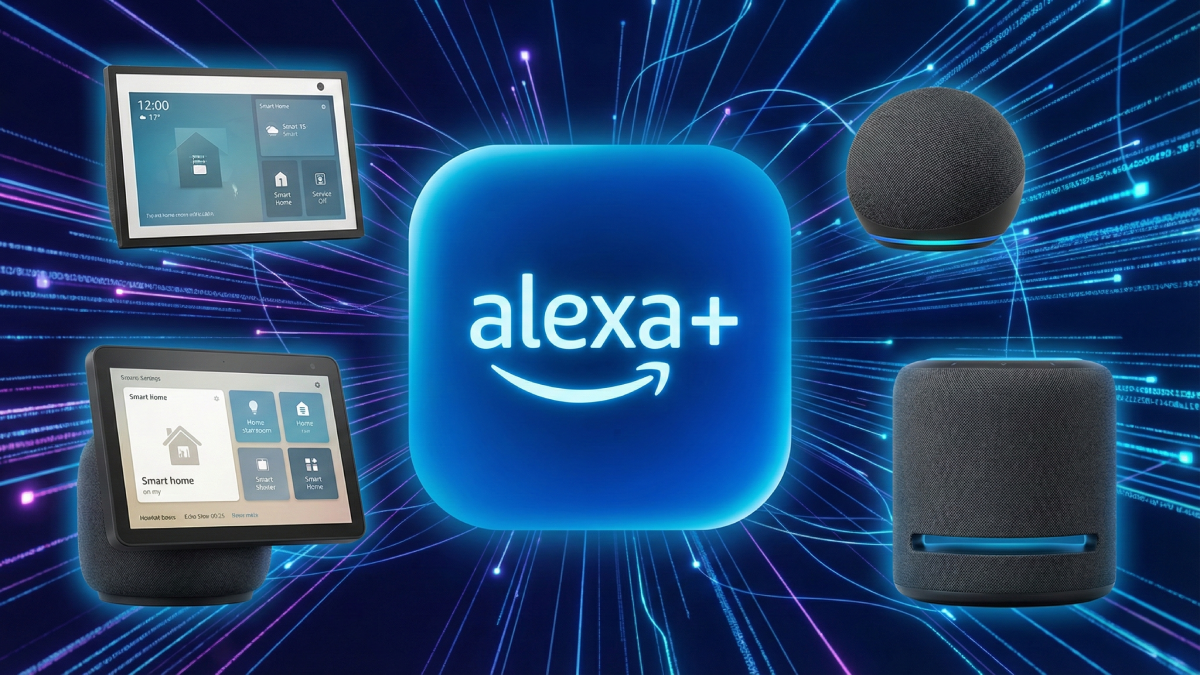
More than ten years passed with Alexa by Amazon acting steady, even if stiff, inside countless homes worldwide. You asked it to start oven clocks, find rain chances, later maybe queue up songs on Spotify too. Yet once tech moved into generative AI and big language systems, old Alexa seemed stuck behind, like hardware from another time. Now things shift again without warning. Now live in the U.S., Amazon rolls out a major overhaul to Alexa – fueled by artificial intelligence. No longer limited to small fixes or extra phrases, the update redefines how the system thinks. Whole sections of its logic get replaced, like swapping minds instead of tuning parts. For owners of Echo devices, responses feel sharper, decisions smarter, interactions less robotic. Change arrives quietly through an automatic update, no setup needed. Behind the scenes, machine learning models run heavier tasks than before. The shift lets Alexa juggle requests better, remember past talks more clearly. Some answers now come in layers, built step by step rather than pulled from scripts. Testing reveals fewer stiff replies, more natural back-and-forth flow. Not every feature works instantly; a few still catch up behind the scenes. Still, this version stands far ahead of earlier attempts at understanding speech. Progress shows in everyday moments: dimming lights while calculating dinner time. Expect hiccups – new systems often stumble before finding rhythm. Yet overall, the foundation feels sturdier, ready for what comes next.
Amazon moves fast now, racing past old limits to match tools like ChatGPT and Gemini. Talking to Alexa used to demand exact words, almost robotic precision. Stray from the path, then came the familiar dead-end: “I’m sorry, I don’t know that one.” Now, changes roll in quietly – conversation flows easier, pauses feel natural, understanding deepens over time. You might find yourself chatting freely, asking things sideways, without stiff phrasing. Echo listens differently today, less machine-like, more tuned into how people actually speak. A new kind of engine runs beneath, built from the ground up to handle spoken chats with ease. Because it focuses on voice, conversations flow like real talk, one reply after another without breaks. Ask something extra without saying the trigger phrase again – no need. Right away, it picks up where things left off, keeping track of earlier bits naturally. Moments before mean nothing gets lost in the next question.
What stands out about this upgrade? It manages tricky smart home tasks much better. Before, asking for dimmed lights plus a movie meant two separate steps. Today’s Alexa understands layered directions thanks to smarter processing. Try saying something like, “Alexa, set the living room for movie night warmth.” The system picks up on cues, adjusts linked gadgets accordingly – lowering light levels, shutting automated shades, switching on the screen without extra prompts. How does it know? Past habits guide its choices. Not quite typing into a machine anymore, instead it’s closer to talking with someone who gets how you like things done. Since that initial Echo appeared in 2014, fans have hoped for this kind of command style – driven by what you mean, not just words.
Yet beyond the smart home, something else stands out. Alexa’s character now shifts noticeably. Her voice carries smoother rhythms, sounding less like a machine, more like speech you’d hear nearby. With subtle changes in tone, it conveys reactions – nothing exaggerated – that bring warmth during stories or daily updates. Families might find this shift quietly transformative. Now seen as more than just another gadget, Alexa helps children grasp tough school subjects through clear explanations, while at the same time offering meal ideas using whatever happens to be sitting in your kitchen cabinets. This shift marks a change – less tool, more teammate around the home.
Sure, big changes like this tend to bring up concerns about price. The core Alexa experience stays free, yet Amazon offers a higher level option for people wanting stronger AI tools. Running powerful generative systems takes serious computing muscle – this plan helps cover that load. Some may pause before adding one more bill each month, still, think how much faster things get done. When your Echo handles calendars, writes messages out loud, even controls every smart gadget around you using just words, the extra cost feels less like an expense. Convenience stacks up quickly when one sentence does what used to take ten steps.
Starting now in the United States, this update marks only the first step. For months, Amazon ran quiet tests of these tools through small trial groups, yet now they’re rolling out widely – proof it works well under real conditions. Owning an Echo means you might already be ready; fresh gear isn’t required here. Since most recent Echo models and Fire TVs support upgrades through software alone, the shift happens behind the scenes. A splash of change could show up as a note on your display or a tap inside the Alexa phone tool. Since it rolls out in waves, certain people may spot updates ahead of neighbors – yet across America, access has quietly switched on for all. The digital doors are open.
Right now, the race for control inside our homes feels tighter than ever. While Apple pushes ahead with its latest brainy features and Google weaves Gemini deeper into every Nest device, Amazon couldn’t afford to slow down – falling behind meant risking Alexa fading into obscurity like outdated online services. This shift isn’t subtle. It shouts that Amazon still sees itself leading the pack. Thanks to millions already using their devices plus seamless links to everyday shopping habits, the upgraded Alexa aims higher than voice replies on command. Think of it less as a gadget helper, more as the quiet engine running household routines. From those obsessed with gadgets to anyone tired of wrestling kitchen timers, this version reshapes moments most people barely notice anymore.
One day soon, Alexa might feel less like a tool and more like someone who gets you. Instead of sitting idle, it could start picking up on patterns all by itself. Because of stronger learning models under the hood, it adapts in ways that older versions never managed. Over time, it begins to suggest things at just the right moment – like knowing when you need coffee before you do.
Disclaimer: The information provided in this article has been collected from publicly available sources on the Internet. Readers are requested to verify this information with available sources.