


Stumbled across something while poking around online – three Linux tools that might spark joy. One helps tame huge game collections, arriving this week with a solid overhaul fans will notice. Another turns math into swirling visuals, the kind that pull you into spiraling shapes for minutes without realizing. Then there’s a quiet little terminal helper designed only to flip through text smoothly, especially those cluttered note files full of links and half-baked thoughts. Each does its job without fuss. Found them buried in lesser-known corners where people still tweak code for fun. Not flashy, but sharp in their own way. Worth keeping tabs on if scrolling feels slower than thinking. Discovery happens quietly sometimes, tucked between updates nobody asked for but somehow need.
Something big comes first. Here’s the truth – Heroic Games Launcher isn’t brand new, yet many still overlook it. A major upgrade arrived recently, the first in months, transforming what was already useful into something sharper. If you’ve never tried it, think of it as an open-source path away from stores like Epic, GOG, or Amazon Prime Gaming. Not flashy, just solid. Here comes the highlight of the week – ZOOM Platform has landed. Thanks to this move, older games without digital locks are suddenly within reach. Running them on Linux just got simpler, no extra steps needed.
Surprisingly, I’ve begun exploring my dusty stack of physical CD-ROMs lately thanks to Heroic. Who’d guess running two-decade-old discs on today’s Linux setup could feel smooth? This tool quietly manages what usually trips people up – compatibility stuff like Wine or Proton. Hidden inside lies a neat trick: the “Run Installer First” toggle. Without fuss, it just works when you need that extra step before launching. Start by opening Heroic, then navigate to your outdated .exe installer. Point the tool there, tick the option shown, after which the setup process begins – just as it would inside Windows itself. When complete, the program links the main executable without any extra steps needed. Launching lands straight from your game list with a single press of the mouse button. Honestly? Simpler than wrestling some native Windows launchers most days. Grabbing it via Flathub brings rock-solid performance, yet alternative paths exist – AppImage bundles or DEB packages work too, should you lean that way.
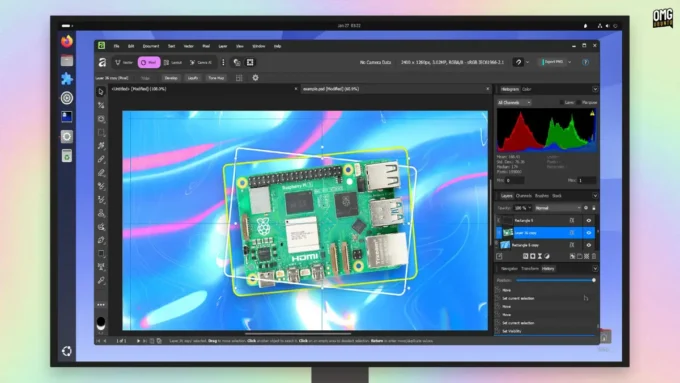
Picture this: a tool built for folks obsessed with trippy visuals and number puzzles – also great for anyone who enjoys odd, eye-catching forms. Mandelbulber 2 runs on free code, meant for crafting wild three-dimensional fractals. Think objects such as the Mandelbox or the Menger sponge. Strange names? Sure. But confusion isn’t required to appreciate them. Just launch the app. Click around a bit instead of worrying about complex math. Watch strange lands form piece by piece on screen. Shapes stack into tall structures without any effort from you. The visuals appear instantly – no formulas required.
Not everything here feels light. Each knob, each switch tweaks how depth behaves right before your eyes. Moving through these shapes? Done with a floating viewpoint. Capture stills in sharp detail. Or set up moving sequences frame by frame. Hold on – this tool eats power like fuel. Number crunching runs nonstop. A standalone GPU helps keep things steady. Running on built-in graphics might make your system heat up more than usual. You can find it in nearly every main repository, meaning a fast “sudo apt install mandelbulber2” or a visit to the Software Center will have it working before long.
Last thing – if you live inside the terminal like I do, there’s this little app named treemd that reshaped how I work with docs. Spend hours staring at .md files? Coding notes, personal logs, rough drafts – doesn’t matter. Scrolling line after line in a basic editor feels clunky. This one builds a tree from your Markdown, interactive and ready to click through, all without leaving the command line.
A fresh start every time – this tool runs on Rust, built for speed without losing its clean look. Opening a file? It scans all your headers right away, lining them up neatly in a panel at the side. Move through parts using arrows or classic Vim key combos, each tap shifting you forward like clockwork. Curious about what hides beneath “Installation”? Click on it, then watch the words show up in the panel on the right. This tool searches too, also pulls out every link fast. Not found in all standard package lists just now, though Arch Linux folks get it straight through pacman; others find it ready using Cargo or Homebrew instead. Stripped-down lovers will smile – suddenly scrolling dense pages seems fresh once more.
Disclaimer: The information provided in this article has been collected from publicly available sources on the Internet. Readers are requested to verify this information with available sources.